


Do you think you have asbestos in your home or commercial building? If so, it is important to know what asbestos looks like. Recognizing asbestos is certainly possible, but it is difficult to see the tiny asbestos fibers with the naked eye. That is why there are specialized asbestos removal companies that can inventory, remove and dispose of asbestos. On this page you will find information about recognizing asbestos, what types of asbestos there are and in / on what materials asbestos can be found.
Did you know that asbestos is a collective name for six different natural minerals? These minerals occur in nature and are made up of tiny fibers. Until the 1980s, asbestos was widely used to build houses, apartment buildings, hospitals and factories. Asbestos is mainly found in the building materials: cement, corrugated sheets and glue. In fact, asbestos is a cheap, strong and fire-resistant building material.
But asbestos also has a downside....
In 1993, it was decided that asbestos should no longer be used. This is because asbestos is dangerous if you inhale the asbestos fibers. This only happens when asbestos-containing materials are worked with a saw, for example, or when a hole is drilled into an asbestos-containing wall. In solid form, asbestos does no harm.
What happens when you inhale asbestos?
When you inhale the asbestos fibers, it affects your lungs and you can get various forms of cancer as a result.
Is asbestos still common?
Because the use of asbestos was banned in 1993, asbestos is still common in homes and commercial properties built before 1993. Therefore, when these homes are remodeled or renovated, there is a good chance that you will encounter asbestos. As a demolition and asbestos removal company, we often encounter asbestos when we demolish old apartment buildings, office buildings, factories and hospitals. We can remove the asbestos, making the site safe to re-enter for residents or staff.
Would you like to know more about asbestos? Then also read our blog: what is asbestos?

There are two different types of asbestos. Bonded and nonbonded, also called loose-bonded asbestos. Below we tell you more about these two types of asbestos.
Asbestos is harmless if no asbestos fibers are released. Therefore, not every type of asbestos is equally dangerous. Bonded asbestos is less dangerous than loose asbestos. With bonded asbestos, the chances of asbestos fibers being released are very small because the asbestos is attached to the material. Therefore, this type of asbestos is less dangerous than loose-bonded asbestos. It does become dangerous when asbestos-containing material (cement, corrugated sheets and plastic made before 1994) is processed, renovated or demolished.
Loose-bound asbestos is always dangerous, though. This is because this type of asbestos does not bond to material very well, if at all. So you are more likely to be exposed to loose-bonded asbestos, and breathing it in can lead to various asbestos-related diseases. Non-adherent asbestos is mainly found in the construction of homes and commercial buildings up to 1990.
Asbestos is often expressed in different types of colors. There are six in total, but only three occur in the Netherlands, namely brown, blue and white. These asbestos fibers are very small and you cannot see them with the naked eye. So you cannot tell what color asbestos is in a corrugated sheet or cement. Still, you can recognize asbestos. You can recognize it by the materials and year of construction of buildings.
Despite the fact that asbestos has been banned since Jan. 1, 1994, it is of course possible that asbestos was present before this time in products, buildings and materials made up until the early 1990s.
So asbestos is widely used in different types of products and materials. So it can be very difficult to identify asbestos fibers if you are not a specialist.
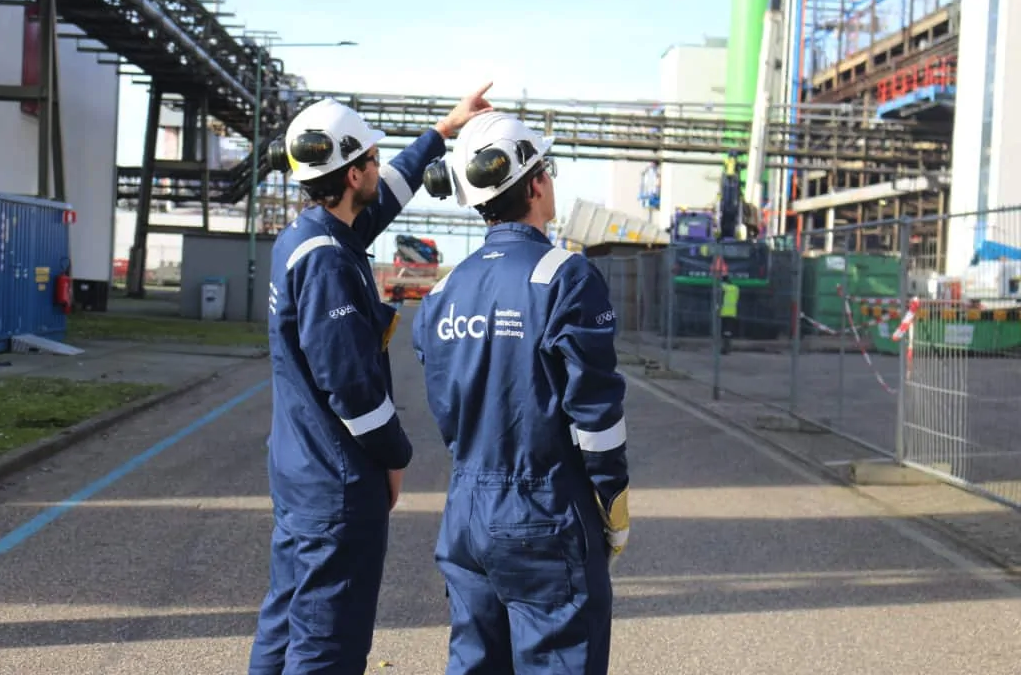
The color of asbestos is difficult to recognize because asbestos is often processed with another substance such as cement, glue and plastic. Therefore, you cannot literally see a blue, white or brown color in asbestos-containing materials.
By what color can you identify asbestos?
As you have read above, you cannot recognize asbestos by the colors associated with a type of asbestos. Below, we have listed the different types and colors of asbestos for you. Then we answer the question, "By what color can you recognize asbestos?
| Asbestos type: | Asbestos color: |
| Actinolite | Green asbestos |
| Amosite | Brown asbestos |
| Anthophyllite | Yellow asbestos |
| Chysotiel | White asbestos |
| Crocidolite | Blue asbestos |
| Tremolite | Gray asbestos |
White asbestos is most common in the Netherlands. But you can't recognize white asbestos by its white color. This is because asbestos was always an additive to make a product or material stronger or more fireproof. If we do "have to" associate a color with asbestos, the two most common colors are light gray and light brown.
Can you even smell asbestos?
Unfortunately, asbestos cannot be identified by a distinctive odor. In fact, the minerals are odorless. This makes asbestos dangerous precisely because you can inhale it without realizing it.
In this blog, we answered the question, "Is recognizing asbestos easy? If you expect your commercial building, apartment complex, factory or home to contain asbestos, it is wise to have the asbestos-containing materials removed so that you cannot get diseases from asbestos.
Would you like to have asbestos removed? If so, please contact us. Want to know more about asbestos remediation? Then read our asbestos removal and soil remediation pages. Here we tell more about our methods and which properties we can remediate.
We can also help you with demolition work.














Want to save time and consult with fewer parties on the price, quality and execution of your project?